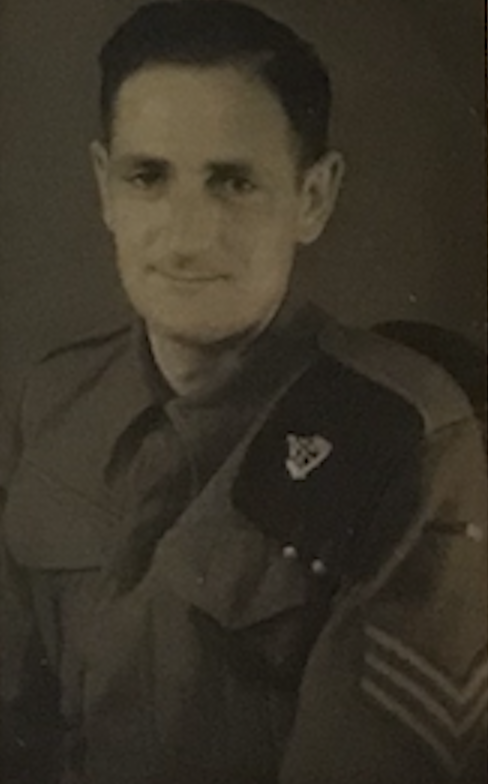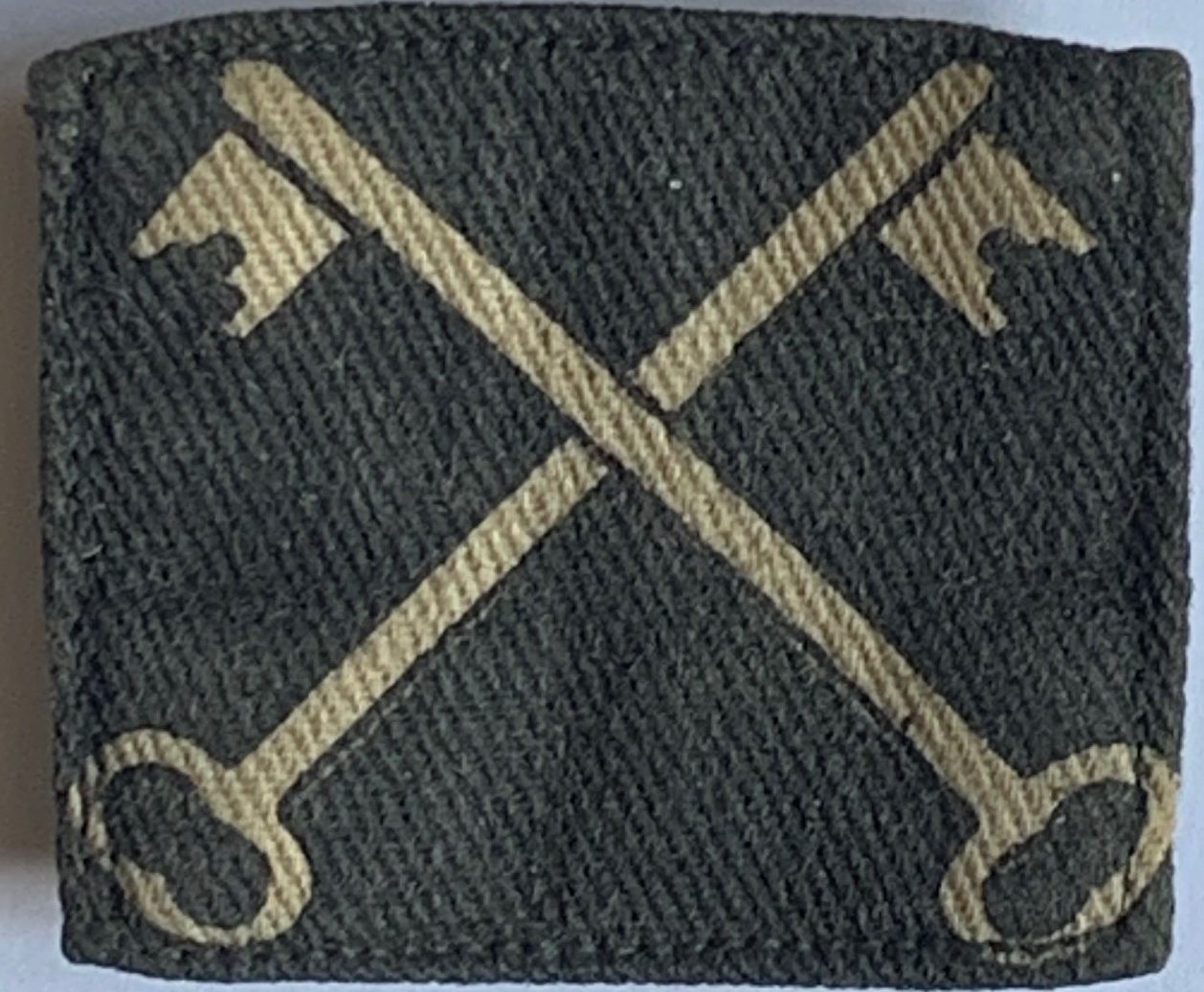

Robert Street, Kohima Museum Trustee
Written in memory of his father Private Ray Street, 4th Battalion, Queen’s Own Royal West Kents
He didn’t take long to prepare
A cup of tea, the TV, sat in his favourite chair
At 11, he stood to attention, straight and erect
It was his way of showing them respect
My Dad cried on Remembrance Sunday
Were they tears of joy; no
Tears of regret; maybe so
Tears of gratitude for he made it home
Tears of sorrow for those left buried alone
My Dad cried on Remembrance Sunday
It doesn’t take long to prepare
A cup of tea, the TV, sat in my favourite chair
At 11, I stand to attention, straight and erect
It’s my way of showing him respect
It’s my turn to cry on Remembrance Sunday
Are they tears of joy; no
Tears of regret; maybe so
Tears of gratitude for he made it home
Tears of sorrow for I now watch alone
It’s my turn to cry on Remembrance Sunday
Gunner Richard A George
99th (Royal Bucks Yeomanry) Field Regiment, Royal Artillery
Beside the burnt-out remnants of this place
I saw the lifeless hands above the earth
Here then was war the horror of its face
For this, for this, a man was given birth
The shallow grave would scarce the body hide
Akimbo sprawled the hands were still and grey
I could not pass but knelt down by his side
To scrape the soil and cover from the day
These hands, I said, once moved and felt and knew
The warmth of other hands, and touched things dear,
Perhaps had picked firm fruit or flowers grew
Or turned bright wheels or trailed through water clear
But now no life beneath my burning touch
I tried to hide which might have been my own
Dead fingers here which once at life did clutch
But now I press them down, alone – alone
It seems so strange, the unexpected things
Which one is called to do in times like these
My mind revolves and childhood memory brings
The tears I shed, and know I cannot grieve, Only some deep-down pain I cannot show
Wells in my heart and floods without a sound
For this quiet heap where grasses soon will grow
For him who knows me not beneath this mound
This poem refers to the death & burial of a Royal Scots soldier during the Battle of Kohima. Gunner George explained “Some of their bodies had been hastily buried & it was over one of these graves I stumbled when we moved in later. The village was still burning, & I knelt & covered the exposed hands of the dead Scotsman in his shallow grave.” The poem was completed that same night.

Reverend Kenneth W. Parkhurst MBE, Chaplain to 1st Royal Welch Fusiliers
They said you had gone but it didn’t seem true
I couldn’t believe it – it couldn’t be you
With your eager mind
And your humour gay
And your heart so kind
And your friendly way
I thought of the things you were planning to do and I couldn’t
believe it
No Johnny – not you
And I didn’t believe it was true, until
I saw the sun on a little green hill
And I thought of the downs that I knew far away
And remembering something I wanted to say
To you, because you’d know what I’d mean
And see exactly what I had seen
Something I wanted at once to share –
I turned to tell you – but you were not there
And then I knew that you had gone
And I was left to watch alone.
Captain John Norfolk Rostron DSO, 1st Battalion, Royal
Welch Fusiliers, was killed in action on 22nd April 1944 and is
commemorated on the Rangoon Memorial. This indicates that his remains were not identified.
Fusilier John Done
1st/8th Lancashire Fusiliers,
Attached to 143 Special Service Company
Don’t stand and weep for me
I am the wind
I’m wild and free
I am the mist in the cold night air
I am the summertime warm and fair
I am the gentle autumn rain
I am the sun on the ripened grain
I’ll be there when you lie in your bed
I am the pillow where you lay your head
In a raging storm, I am the eye
I am a thousand birds that fly
Don’t stand and weep for me
I am the wind
I’m wild and free
Remember every word of love that I said
I am the vision at the foot of your bed
I am the stars that shine in the night
A beautiful eagle in the morning light
Don’t stand and weep for me
I am the wind
I’m wild and free
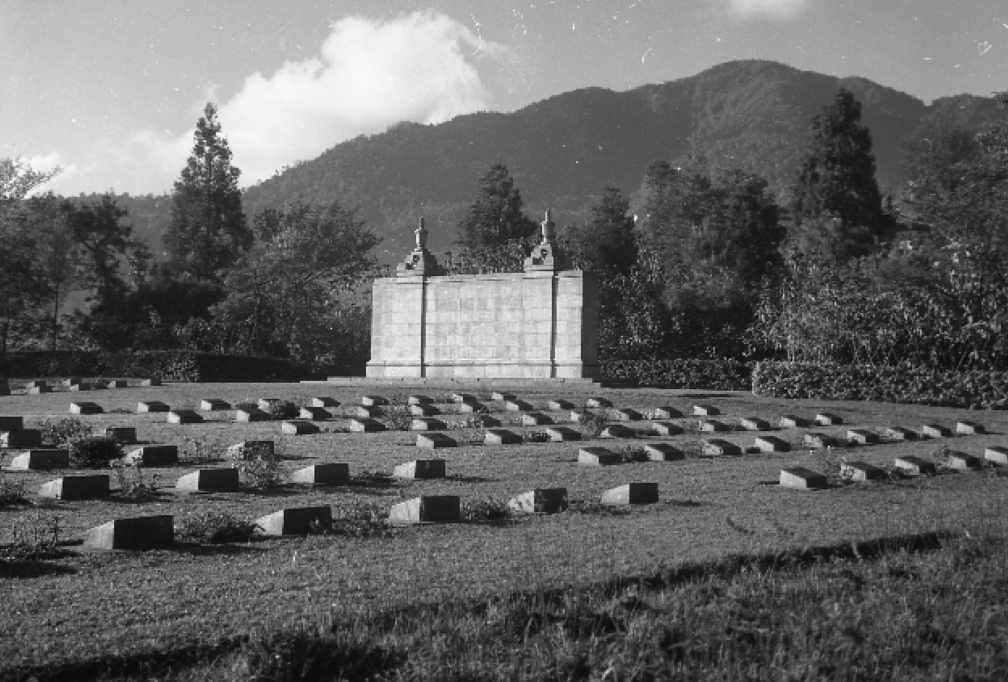
Private Raymond Street
4th Battalion, Royal West Kents
Alright lads take him back
Down along that muddy track
Move it lads, the sergeant said,
Move it lads and help young Fred
Hot blue skies, hawk and kites
Not much like the Isle of Wight.
Alright lads, shells incoming
Watch it Bill, the mules are running
Shrapnel hits the Mango tree
Auntie Flo has come to tea
Alright lads let’s tend his wound,
Mother just arrived from Broome
Smoke is coming from the funnel
It’s getting dark, we’re in a tunnel
Alright lads let’s leave him be
It’s a wicked world
He’s all at sea.
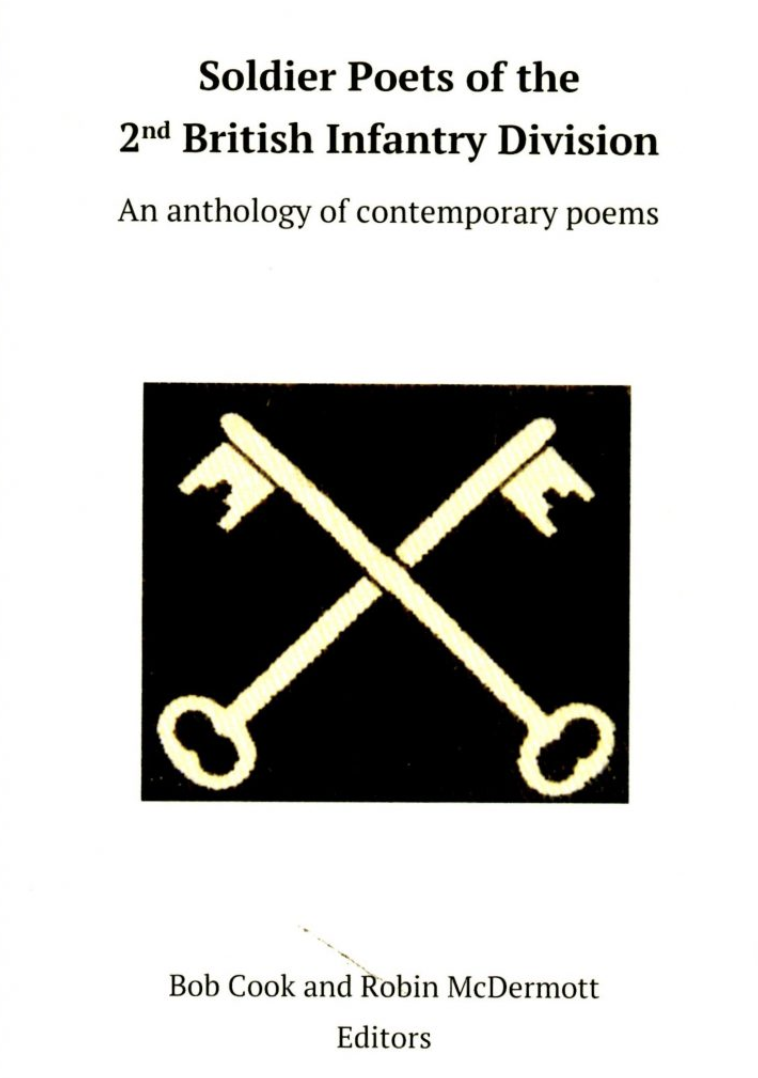
The poems above are from “Soldier Poets of the 2nd British Infantry Division”, a book edited by two former curators of the Kohima Museum, Bob Cook & Robin McDermott.
It contains 132 poems, most of which were found amongst memorabilia donated to the Kohima Museum by veterans of 2nd Division or their descendants.
It is available for purchase from the Kohima Museum.
Alun Lewis
(To Capt. G.T. Morris, Indian Army)
I
Three endless weeks of sniping all the way,
Lying up when their signals rang too close,
Ooeee, Ooee, like owls, the lynx-eyed Jap,
Sleeplessly watching, knifing, falling back.
And now the Sittang river was there at last
And the shambles of trucks and corpses round the bridge
And the bridge was blown. And he laughed.
And then a cough of bullets, a dusty cough
Filleted all his thigh from knee to groin.
The kick of it sucked his face into the wound.
He crumpled, thinking ‘Death’. But no, not yet.
The femoral artery wasn’t touched.
Great velour cloaks of darkness floated up.
But he refused, refused the encircling dark,
A lump of bitter gristle that refused.
The day grew bloodshot as they picked him up.
II
Lying in hospital he often thought
Of that darkness, whence it came
And how it played the enchantress in a grain
Of morphia or a nodding of the head
Late in the night and offered to release
The Beast that breathed with pain and ran with pus
Among the jumping fibres of the flesh.
And then he saw the Padre by his cot
With the Last Unction: and he started up.
III
Your leg must go. Okay? the surgeon said
Take it, he said. I hate the bloody thing.
Yet he was terrified – not of the knives
Nor losing that green leg (he’d often wished
He’d had a gun to shoot the damned thing off)
But of the darkness that he knew would come
And bid him enter its deep gates alone.
The nurse would help him and the orderlies.
But did they know? And could a rubber tube
Suck all that darkness out of lungs and heart?
Open and close your fist – slowly the doctor said.
He did so, lying still upon his back.
The whitewashed walls, the windows bright with sky
Gathered a brilliant light above his head.
Here was the light, the promise hard and pure,
His wife’s sweet body and her wilful eyes.
Her timeless love stooped down to raise him up.
He felt the white walls part – the needle pricked,
Ten seconds and you’ll fade, the doctor said.
He lay and looked into the snowwhite skies
For all ten seconds means at such a time.
Then through the warped interstices of life
The darkness swept like water through a boat
In gouts and waves of softness, claiming him…
He went alone: knew nothing: and returned
Retching and blind with pain, and yet Alive.
IV
Mending, with books and papers and a fan
Sunlight on parquet floors and bowls of flame
He heard quite casually that his friends were dead,
His regiment too butchered to reform.
And he lay in the lightness of the ward
Thinking of all the lads the dark enfolds
So secretly.
And yet a man may walk
Into and through it, and return alive.
Why had his friends all stayed there, then?
He knew.
The dark is a beautiful singing sexless angel
Her hands so soft you scarcely feel her touch
Gentle, eternally gentle, round your heart.
She flatters and unsexes every man.
And Life is only a crude, pigheaded churl
Frowsy and starving, daring to suffer alone.
Alun Lewis (1915-1944) was a Welsh poet who served in the Arakan region of Burma with the South Wales Borderers. On 5 March 1944, he shot himself through the head.
Two days after his death, his wife received his pre-booked birthday greetings cable: “Many happier returns. Dearest love. Alun.”
Rest in Peace.
The painting is by Leslie Cole: Scene in a Regimental Aid Post. 1944.
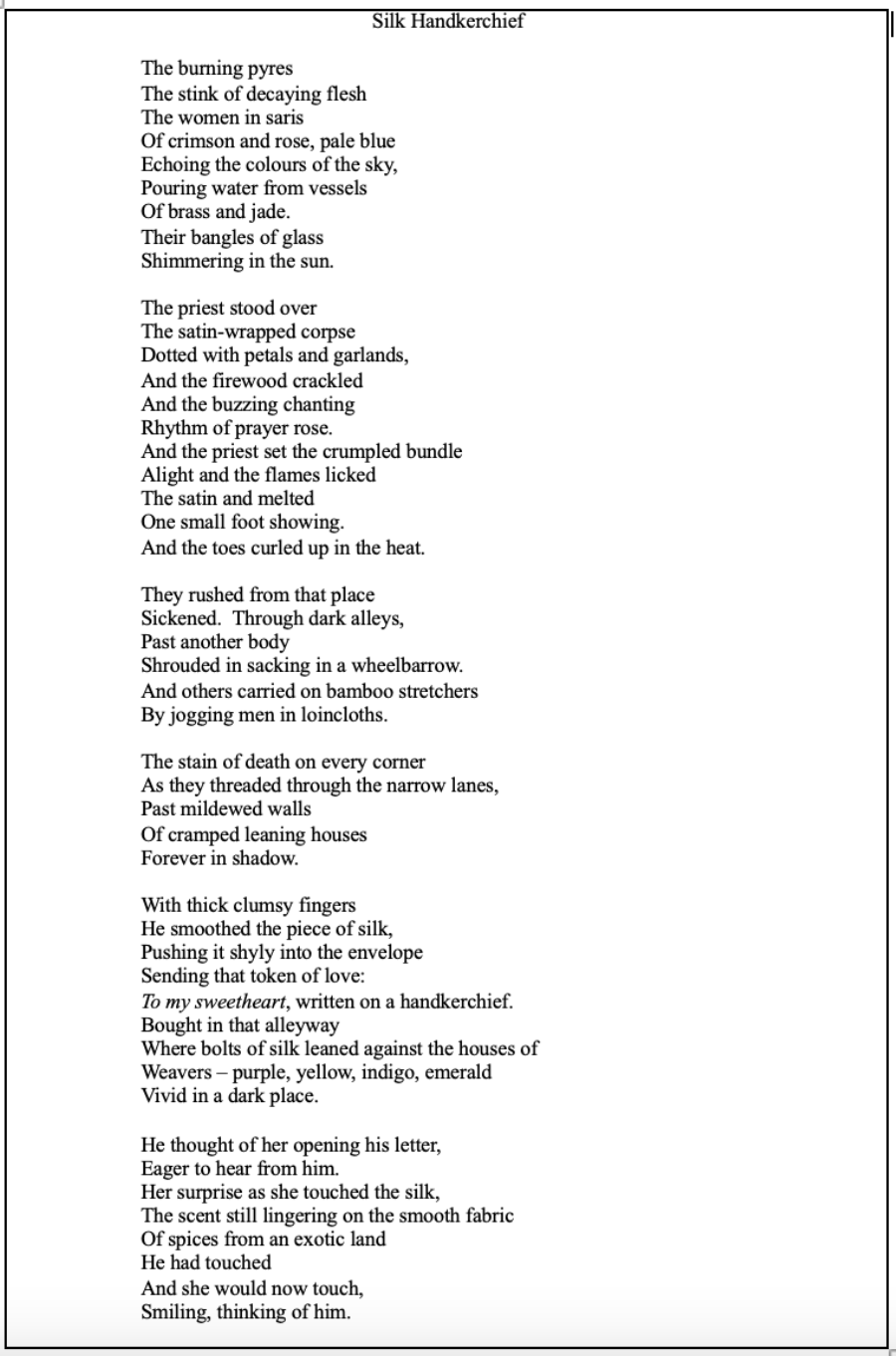
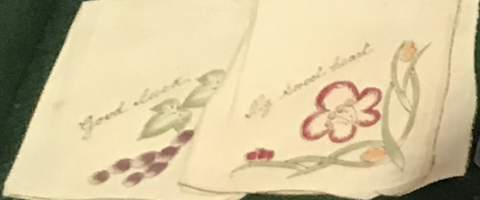
The Silk Handkerchief is by Mary Payne, daughter of Chindit Harry Roberts, a driver attached to 60 Field Regiment in 23 Brigade. The poem was inspired by a pair of silk handkerchiefs that Harry bought in India & sent home to his wife.
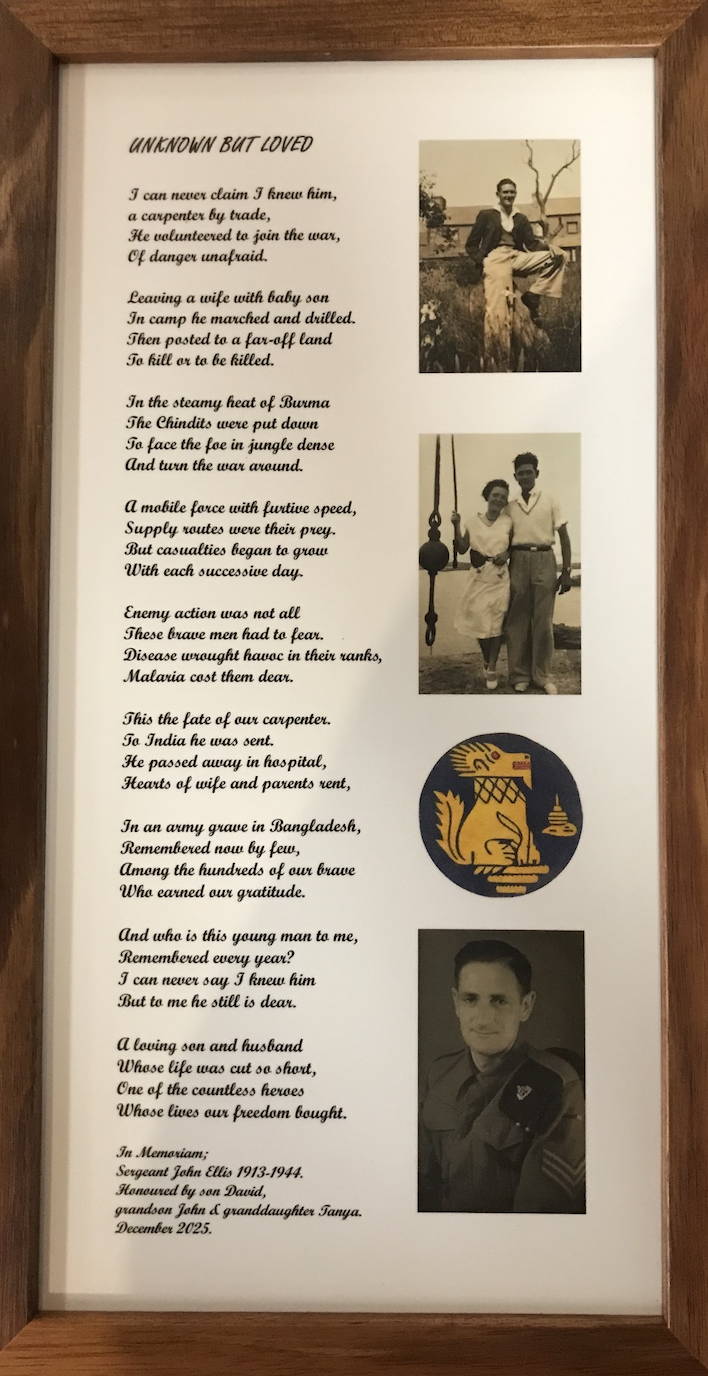
This poem by David Ellis was written in memory of his Chindit father, Sgt John Ellis, whom he never knew. John Ellis died of malaria in 1944 and is buried in Bangladesh.